Why Choose Us

Built on Quality, Innovation & Trust

High Purity

Premium quality with rigorous quality control standards

Global Reach

Worldwide distribution network serving international markets

Industry Expertise

Decades of manufacturing experience with proven reliability

Quality Assurance

Comprehensive quality control at every production stage

Our Products

Premium Chemical Solutions

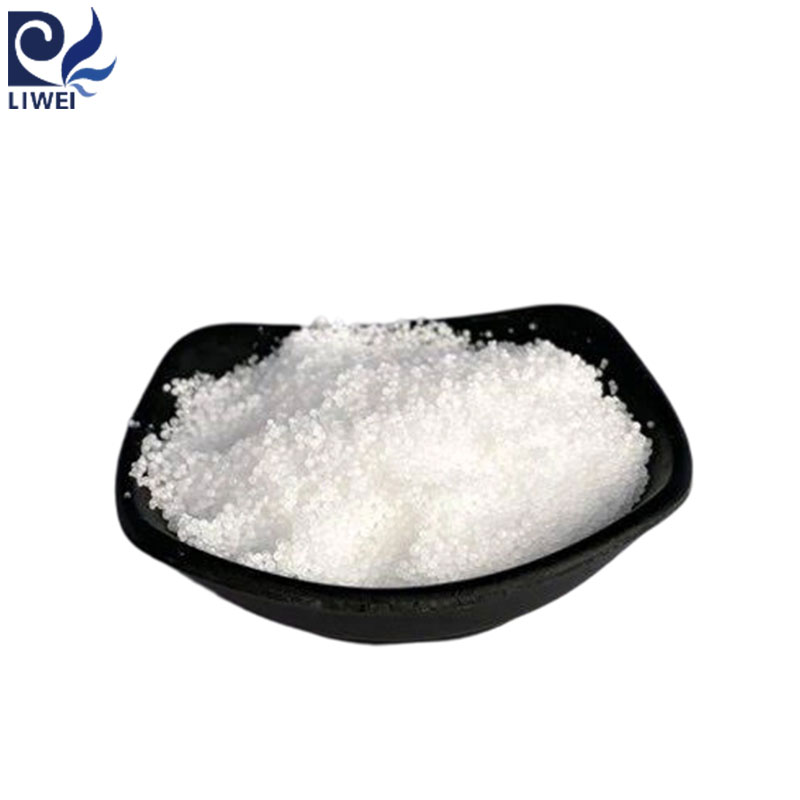
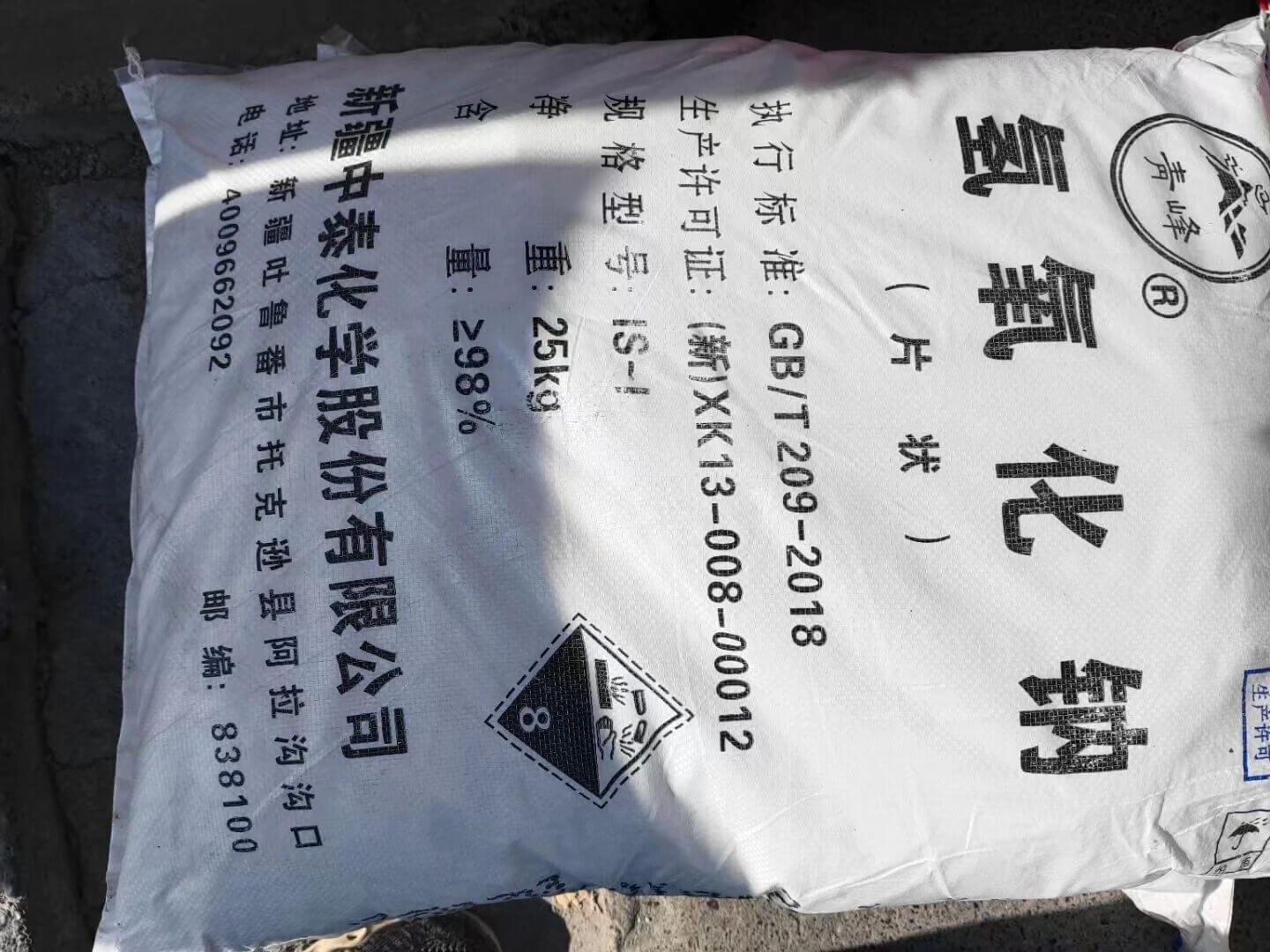
High-Purity Caustic Soda Pearls 99% Manufacturers| 25kg Bags | Competitive Price

High-Purity Caustic Soda Pearls 99% Manufacturers| 25kg Bags | Competitive Price

For the dissolution of wood pulp in the viscose process, the alkali cellulose step imposes a strict boundary on transition metal contamination. When high-purity caustic soda pearls of 99% NaOH assay are used in slurry steeping, the iron content—typically controlled below 4 ppm as Fe per GB/T 209-2018 grade IS-IT—directly governs the subsequent xanthation kinetics and the filterability of the viscose dope. In commercial production lines equipped with a continuous steeping press (e.g., Maurer-type or Lenzing-designed units with a pressing roller set to deliver a press ratio of 2.8:1 to 3.2:1), any elevation of ferric ions above the 8 ppm...

View Detail

12

After-Sales Response

99

Delivery Rate

100

Factory-Exit QC

12

Operating Standards

Who we are

Excellence Through Responsibility & Innovation

Anhui Liwei Chemical Co,Limited

About Us

Anhui Liwei Chemical Co., Limited is primarily engaged in the production and export of caustic soda. As one of China's largest caustic soda producers, we are committed to becoming an industry benchmark for green chemical engineering and low-carbon transformation.Anhui Liwei Chemical Co., Limited adheres to the business philosophy of market...

Read More
Anhui Liwei Chemical Co,Limited

Sustainability

Adhere to the synchronous development of industrial production and environmental protection, ensure stable and compliant emissions of pollutants, prevent major environmental pollution accidents, and build a green and civilized enterprise.

Anhui Liwei Chemical Co,Limited

Social Responsibility

Through technological innovation, we strengthen competitiveness, build customer trust, create social opportunities, and deliver shareholder value.

Anhui Liwei Chemical Co,Limited

Our Culture

Guided by a customer-centric business philosophy and market-oriented approach, we are committed to delivering more valuable chemical supply solutions while fostering mutual benefits for employees, customers, and shareholders through empathy, shared success, and lasting value creation.

Read More

News Feed

Stay Updated with Our Latest Stories

Befar Group Caustic Soda: China’s Leading Prilled Caustic Soda Producer Delivering Consistent High-Quality Caustic Soda via Ion-Membrane Technology
August 3, 2026

Befar Group Caustic Soda: China’s Leading Prilled Caustic Soda Producer Delivering Consistent High-Quality Caustic Soda via Ion-Membrane Technology

Caustic soda (Sodium Hydroxide, NaOH) stands as one of the most essential raw materials in modern basic chemical industry. It widely supports numerous sectors including alumina production, papermaking, textile printing and dyeing, fine chemicals, food processing, water treatment and metallurgy. Within China’s caustic soda industrial landscape, Befar Group, boasting decades of accumulated chlor-alkali technology, a comprehensive product portfolio and prominent advantages in segmented product categories, has evolved into a well-recognised core supplier of caustic soda for domestic and global markets.Founded in 1968, Befar Group launched its formal chlor-alkali production in 1970, making it a long-established chlor-alkali chemical enterprise in China. Its core entity, Befar Group Co., Ltd., is listed on both Shanghai Stock Exchange (601678.SH) and Hong Kong Stock Exchange (06745.HK). It acts as a key industrial chain leader in Shandong Province and ranks among China Top 500 Manufacturers. As the flagship product of the Group’s chlor-alkali division, caustic soda serves as a cornerstone business. Its products are certified as premium chemical brands under the “Quality Shandong” programme and exported to more than 100 countries and regions worldwide.In terms of production capacity layout, Befar Group operates an annual caustic soda capacity of 610,000 metric tons. Its product range covers liquid caustic soda, flake caustic soda and prilled caustic soda, with both industrial and food-grade specifications available to satisfy diversified demands from downstream customers. Liquid caustic soda is mainly offered in 32% concentration (industrial grade & food grade) and 48% industrial grade. Solid caustic soda includes 98.5% flake sodium hydroxide and 99% prilled sodium hydroxide. The annual capacity of prilled caustic soda reaches 200,000 metric tons. Befar is China’s largest prilled caustic soda manufacturer, holding approximately 60% market share in the domestic prilled caustic soda market. It also maintains a leading market position for food-grade flake caustic soda.Advanced production processes guarantee stable product quality of Befar’s caustic soda. The Group fully adopts the ion-membrane electrolysis process for caustic soda production. It introduced complete sets of world-class ion-membrane caustic soda facilities back in 2002, and these units once served as demonstration projects for overseas technology suppliers in China and across the globe. Befar is also the first domestic enterprise to deploy membrane-based primary brine refining technology on a large scale. After refining, the total content of calcium and magnesium impurities in brine is steadily controlled below 7 PPb, exceeding conventional industrial benchmarks. Supported by self-developed membrane denitrification technology which replaces traditional barium chloride processes, the Group achieves stable product purity while easing environmental burdens. Equipped with DCS automatic control systems and intelligent automated warehousing and palletising facilities, Befar ensures consistent quality across production batches.Befar’s solid caustic soda features outstanding purity, rapid dissolution rate, low impurity content, favourable fluidity, low dust generation, and convenient storage and automatic metering. Food-grade caustic soda is subject to strict national standards controlling restricted indicators such as arsenic, mercury and heavy metals, complying with applications including food equipment cleaning and food acidity adjustment. Industrial-grade caustic soda applies to alumina smelting, textile printing and dyeing, pulp manufacturing, petrochemicals, wastewater pH adjustment, metal surface treatment and other fields.Geographic advantages and integrated industrial chains further strengthen supply chain stability. Located in Binzhou on the Yellow River Delta adjacent to the Bohai Sea, Befar enjoys convenient port logistics. It supports production with self-owned raw salt capacity and captive thermal power facilities. Sufficient upstream raw material and energy supplies help mitigate cyclical market fluctuations, enabling long-term stable supply solutions for global and domestic customers.From an industrial perspective, new capacity expansion in China’s caustic soda sector is continuously restricted by energy consumption policies. Market competition is gradually concentrating on leading enterprises with technological strengths, stable quality and multi-specification supply capabilities. Befar Group keeps advancing industrial upgrading. The planned technical renovation and expansion project at Zhanhua base is expected to lift the total annual caustic soda capacity to 810,000 metric tons in the long run, further consolidating its leading position in the solid caustic soda segment.For overseas procurement merchants and downstream manufacturers, Befar’s complete range of grades and specifications, mature export experience and long-term stable quality standards make it a vital supplier for solid caustic soda and high-quality liquid caustic soda. Driven by sustained demand growth for high-purity caustic soda from new energy and fine chemical industries, Befar Group will continue supplying standardised caustic soda products to global markets relying on proven ion-membrane chlor-alkali technology and well-established global distribution channels.

Junzheng Group: Integrated Chlor-Alkali Creates Cost Barriers; Caustic Soda and PVC Establish a Balanced Cyclical Foundation
August 3, 2026

Junzheng Group: Integrated Chlor-Alkali Creates Cost Barriers; Caustic Soda and PVC Establish a Balanced Cyclical Foundation

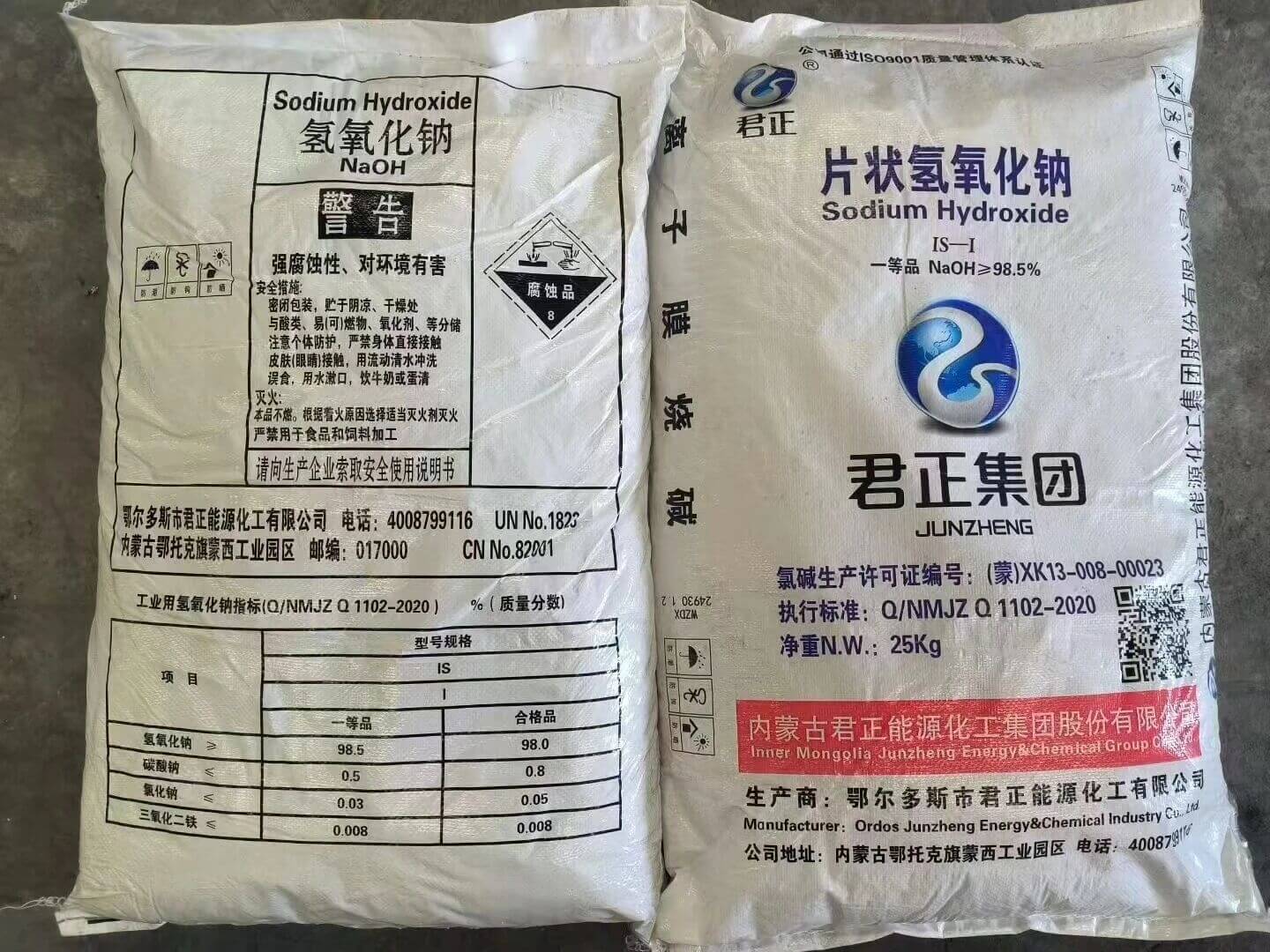
Caustic soda is a core basic chemical in the chlor-alkali industrial chain. Its production via raw salt electrolysis generates chlorine gas as a by-product, an essential feedstock for PVC manufacturing. The operational performance of chlor-alkali enterprises hinges heavily on load matching between chlor-alkali products, energy cost control and industrial chain coordination. Inner Mongolia Junzheng Energy & Chemical Group Co., Ltd. (Junzheng Group, Stock Code: 601216) is located in Wuhai, Inner Mongolia, a national-level chlor-alkali industrial base. Leveraging resource endowments in Northwest China, the company has built a complete coal-power-chlor-alkali circular economy industrial chain. The synergistic production of caustic soda and PVC underpins the core business foundation of its energy and chemical segment.Based on latest public capacity data, Junzheng Group boasts a designed annual caustic soda capacity of 550,000 tons, matched with 800,000 tons of annual PVC capacity. Its product portfolio mainly consists of industrial caustic soda flakes and liquid caustic soda, widely supplied to downstream sectors including alumina, papermaking, printing and dyeing, water treatment, building materials and chemical intermediates. Unlike chlor-alkali manufacturers in eastern coastal regions, Junzheng is situated in Wuhai, where coal and limestone resources are abundant nearby. Local raw material procurement greatly cuts land logistics expenses. The chlor-alkali electrolysis process produces caustic soda alongside co-generated chlorine gas, all of which is internally consumed for PVC production. This realizes closed-loop utilization of chlorine resources, eliminates the need for external liquid chlorine sales, avoids operational risks arising from liquid chlorine storage, transportation and volatile export prices, and achieves natural capacity balance between caustic soda and PVC.Power cost represents the largest expenditure in the chlor-alkali industry. Electrolysis for caustic soda production and calcium carbide synthesis for PVC are both highly energy-intensive processes. Junzheng supports self-owned power generating units with a total installed capacity of 1.635 million kW, maintaining a power self-sufficiency rate above 90% over the long run. Supported by local coal resources, its captive power plants deliver electricity at costs far lower than purchased grid power, forming a core cost moat. Upstream in the industrial chain, the company operates a 2.383 million-ton-per-year calcium carbide facility with sufficient self-supply to guarantee stable PVC output. Calcium carbide slag is further recycled to produce cement clinker, enabling solid waste resource utilization and continuously lowering overall environmental and disposal costs. The integrated circular industrial chain connects coal mining, power generation, calcium carbide production, chlor-alkali processing and building materials. In-house material circulation eliminates markup from intermediate traders, equipping the company with stronger resilience against losses during industry downturns.From an operational perspective, the caustic soda business serves as a critical profit buffer for Junzheng. Downstream demand for PVC is closely linked to real estate and infrastructure, leading to pronounced cyclical fluctuations, while caustic soda has diversified downstream demand with steady support from rigid sectors such as alumina and water treatment. Under the co-production mechanism of the two product lines, the company can flexibly adjust sales strategies in response to market conditions. When PVC market sentiment weakens, caustic soda generates steady earnings to smooth performance volatility. During upward cycles for caustic soda, overall profitability of the full production complex is further lifted. According to the 2025 financial report, the caustic soda segment delivered robust profitability, effectively offsetting pressure from falling PVC prices and fully demonstrating the cycle hedging value of the chlor-alkali co-production model.Beyond its energy and chemical segment, Junzheng also develops global chemical logistics business with large-scale liquid chemical fleets and tank container assets. Logistics capabilities support production and sales synergy: bulk chemicals such as caustic soda and PVC can be transported domestically and exported via its proprietary logistics network. The firm can independently adjust the ratio of domestic and overseas sales to ease periodic supply-demand imbalance in the domestic market. Chlor-alkali enterprises in western China commonly face challenges including remote distances from major eastern consumption hubs and constrained outbound transport capacity. The self-owned logistics system grants Junzheng differentiated operational advantages.Extending the industrial chain constitutes Junzheng’s medium-to-long-term development priority. Drawing on existing coal coking resources, the company has commissioned a 300,000-ton-per-year BDO plant and a 120,000-ton-per-year PTMEG facility, shifting from basic chlor-alkali raw materials toward fine chemicals and new materials to foster a second growth curve. In terms of low-carbon transition, Junzheng carries out research on wind and solar power generation and green hydrogen. It continuously advances energy-saving retrofits for production facilities to align with national policies on energy consumption control and low-carbon development and reduce carbon emissions from traditional coal chemical operations.At the industry level, the supply landscape of China’s chlor-alkali sector keeps optimizing. Strict environmental and energy consumption regulations restrict new capacity approvals and accelerate the phase-out of outdated small-scale installations. Industrial capacity is gradually concentrating in leading enterprises in Northwest China with integrated low-cost energy advantages. On the demand side, caustic soda is underpinned by consumption from alumina and environmental water treatment sectors, whereas PVC demand fluctuates alongside activity in infrastructure and plastic products. Benefiting from low-cost energy resources, Northwest China will remain a core domestic supply base for chlor-alkali products over the long term.Objective risks cannot be overlooked. Both caustic soda and PVC are highly cyclical bulk commodities; their prices swing sharply with macroeconomic conditions, industry operating rates, and prices of raw materials including coal and industrial salt. Long-distance outbound transportation from western regions brings persistent logistics cost pressure. Commissioning of new integrated chlor-alkali projects in the region in the future will intensify market competition. Meanwhile, tightening energy consumption and environmental supervision may trigger sustained capital expenditure for technical upgrades.Overall, Inner Mongolia Junzheng’s core competitiveness does not rely merely on production scale. Instead, it arises from overlapping strengths including geographic resource endowments, captive power supply, closed-loop chlor-alkali co-production, complete circular economy industrial chain and proprietary chemical logistics. The chlor-alkali business featuring synergistic caustic soda and PVC production forms a stable cash flow foundation for Junzheng’s energy and chemical division, supporting the enterprise’s upstream resource integration and downstream expansion into fine new materials. Amid stock competition within the chlor-alkali industry, the integrated low-cost route serves as Junzheng’s most important industrial foundation to weather chemical industry cycles.
Xinjiang Zhongtai Chemical: Extended Circular Industrial Chain Elevates Cost Competitiveness for Caustic Soda; Domestic and Overseas Coordination Builds a Core Northwest Chlor-Alkali Player
August 3, 2026

Xinjiang Zhongtai Chemical: Extended Circular Industrial Chain Elevates Cost Competitiveness for Caustic Soda; Domestic and Overseas Coordination Builds a Core Northwest Chlor-Alkali Player

As a fundamental raw material in the chlor-alkali industrial chain, caustic soda is widely applied in alumina production, viscose fiber manufacturing, papermaking, printing and dyeing, water treatment, fine chemicals and other sectors. The ion-exchange membrane electrolysis process produces caustic soda alongside by-product chlorine and hydrogen gas. The capacity to absorb chlorine resources, energy cost control and supporting industrial chain capabilities directly determine the long-term competitiveness of chlor-alkali enterprises. Xinjiang Zhongtai Chemical Co., Ltd. (Stock Code: 002092) is rooted in Xinjiang. Capitalizing on local coal, raw salt and limestone resources, the company has established an extended circular economy industrial chain covering coal, thermal power, calcium carbide, chlor-alkali, viscose fiber and viscose yarn. Its caustic soda business acts as a core pillar of the business portfolio. Supported by in-situ material consumption and low-cost energy advantages, Zhongtai operates a unique business model that differentiates it from chlor-alkali manufacturers in eastern China.According to publicly disclosed corporate documents, Xinjiang Zhongtai Chemical holds a designed annual ion-exchange membrane caustic soda capacity of 1.46 million tons, paired with 2.05 million tons of annual PVC capacity. Production bases are distributed across Fukang Energy, Toksun Energy & Chemical, and Huatai Heavy Chemical Industry. Its main product is industrial-grade liquid caustic soda, supplemented by caustic soda flakes. Unlike most chlor-alkali enterprises that sell all caustic soda externally, Zhongtai possesses distinctive capacity for large-scale internal consumption of caustic soda. Caustic soda is directly supplied to downstream viscose fiber production lines to realize local conversion of raw materials and substantially cut logistics costs for finished product transportation. For external markets, caustic soda is steadily supplied to mainstream downstream industries including alumina, papermaking and chemical intermediates, striking a balance between regional consumption within Xinjiang and sales outside the province.Power expenditure constitutes the largest cost in electrolytic caustic soda production. Zhongtai operates supporting cogeneration units with sufficient installed capacity, maintaining a power self-sufficiency rate above 80%. Benefiting from low-cost coal resources in Xinjiang, electricity prices from captive power plants are markedly lower than grid power prices purchased by manufacturers in eastern and central China, forming the first cost moat for caustic soda production. Upstream supporting facilities include calcium carbide and lime production units. Raw salt is sourced locally, and calcium carbide slag is recycled for cement manufacturing. Waste heat generated during production is recovered in cascading modes to form a complete resource closed loop. The integrated circular system enables internal circulation of materials and energy, eliminates markups from intermediate trading links, and delivers stronger resilience amid industry downturns.The chlor-alkali co-production model facilitates closed-loop utilization of chlorine resources. Chlorine generated from caustic soda electrolysis is prioritized for PVC production, eliminating large-scale external sales of liquid chlorine and avoiding operational risks and price volatility associated with liquid chlorine storage, transportation and trading. The company can dynamically adjust production and sales strategies based on market trends of PVC and caustic soda. When PVC market sentiment weakens, externally sold caustic soda delivers steady cash flow. During upward cycles of caustic soda prices, overall profitability of the entire production complex is further improved. The dual-product cyclical hedging mechanism mitigates performance pressure caused by price swings of single products.Geographic location and export channels constitute differentiated strengths for Zhongtai’s caustic soda business. Situated at the frontier of westward opening under the Belt and Road Initiative, Xinjiang leverages China-Europe Railway Express and cross-border highway routes. Transportation distances for exporting chemicals such as caustic soda to Central Asia and Russia are favorable, making overseas markets a vital demand buffer that effectively alleviates periodic supply-demand imbalance in the domestic market. Nevertheless, objective challenges remain. The production base is far from major consumption hubs along China’s eastern coast. Long-distance outbound transportation from Xinjiang generates persistent logistics costs, limiting its competitiveness for large-volume deliveries to East and South China.Continuous technical upgrades and low-carbon transformation are steadily advancing. The company adopts large-scale zero-polar-distance ion-exchange membrane electrolysis facilities and carries out ongoing energy-saving renovations to lower unit power consumption for caustic soda production. Meanwhile, Zhongtai develops wind and solar power projects, promotes green power substitution, and explores the integrated development of wind-solar-hydrogen-caustic soda, aligning with national policies on energy consumption control and low-carbon transition. Efforts are made to boost recycled salt utilization and optimize production automation. Multiple patents related to caustic soda production have been implemented to sustain operational efficiency of manufacturing units.In terms of medium-to-long-term industrial layout, building on its existing chlor-alkali platform, the company extends downstream into specialty PVC resins and fine chemical products to improve its new materials portfolio. As a fundamental raw material, caustic soda continuously supports stable operation of two core product lines: PVC and viscose fiber, serving as an indispensable hub across the entire circular industrial chain.From an industry perspective, the supply landscape of China’s chlor-alkali sector keeps evolving. Tighter energy consumption and environmental regulations restrict approvals for new compliant capacity, and industrial capacity is gradually concentrating in northwest enterprises with integrated resource advantages. On the demand side, alumina maintains rigid consumption of caustic soda, while demand from water treatment and chemical fiber sectors remains stable. However, China boasts massive overall caustic soda capacity, leading to fierce homogeneous competition in the conventional industrial liquid caustic soda market.Objective risks cannot be ignored. Caustic soda is a highly cyclical bulk commodity whose price fluctuates drastically with macro demand, industry operating rates, and prices of coal, raw salt and electricity. Long-distance outbound transportation of chemicals in western China brings lasting logistics pressure. Commissioning of new integrated chlor-alkali projects in the northwest region will intensify regional competition. Stricter energy consumption and environmental supervision will drive sustained capital expenditure for technical renovations. In addition, shifts in geopolitical conditions may undermine stability of westward export businesses.Overall, the core competitiveness of Xinjiang Zhongtai Chemical’s caustic soda business stems from overlapping strengths including regional resource endowments, low-cost captive thermal power, closed-loop chlorine utilization, internal supply of caustic soda for viscose fiber, a full circular economy industrial chain and geographic advantages for westward exports. Caustic soda is not merely an independently saleable commodity, but also a critical intermediate raw material linking the PVC and viscose fiber business segments. In an era of stock competition within the chlor-alkali industry, the extended integrated circular industrial chain forms the key industrial foundation enabling Zhongtai’s caustic soda business to navigate chemical industry cycles.